Anxiety has a way of making itself at home. It shows up as a racing mind at 2 a.m., tight shoulders during a work meeting, or that constant low-level hum of worry that follows you through the day. If you've been looking for ways to manage it without relying solely on medication, acupuncture for anxiety may be worth a closer look.
At Southside Acupuncture + Herbs in Chicago, patients often arrive feeling overwhelmed, overstimulated, and exhausted from trying to hold it all together. What many of them discover is that acupuncture does something genuinely hard to find in modern healthcare: it slows everything down.
What Happens in Your Body When You're Anxious
Before diving into how acupuncture helps, it's worth understanding what anxiety actually does to your body. When you perceive a threat, whether it's a real one or just the feeling that something might go wrong, your nervous system activates a stress response. Cortisol and adrenaline flood your system. Your heart rate climbs. Your digestion slows. Your muscles tense.
The problem is that for many people, this response never fully shuts off. The nervous system gets stuck in a hyperactivated state, and the body forgets how to rest. Over time, chronic anxiety can affect sleep quality, digestion, immunity, and overall wellbeing.
This is where acupuncture therapy for anxiety fits into the picture in a way that's different from a lot of other interventions.
How Acupuncture Works for Anxiety and Stress
Acupuncture is rooted in Traditional Chinese Medicine, which views the body as an interconnected system of energy pathways called meridians. When these pathways become blocked or imbalanced, it can manifest as physical and emotional symptoms, including anxiety.
From a modern physiological standpoint, research suggests that acupuncture influences the autonomic nervous system, promoting a shift from sympathetic dominance (fight-or-flight) toward parasympathetic activity (rest-and-digest). In practical terms, this means your body gets a signal that it's safe to relax.
Studies published in journals like the Journal of Acupuncture and Meridian Studies have found that acupuncture can reduce cortisol levels and lower markers of physiological stress. A growing body of research also shows that stimulating specific acupuncture points for anxiety may influence neurotransmitter activity, including serotonin and GABA, which play key roles in mood regulation.
What to Expect From a Session
A lot of people are nervous about acupuncture the first time, which is a bit ironic when you're coming in for anxiety. The good news is that the experience is much gentler than most people expect.
During a session at Southside Acupuncture + Herbs, your practitioner will ask about your symptoms, your sleep, your digestion, your stress patterns, and your overall health history. Acupuncture for anxiety and depression often shows up alongside other symptoms like insomnia, fatigue, or digestive upset, so understanding the full picture matters.
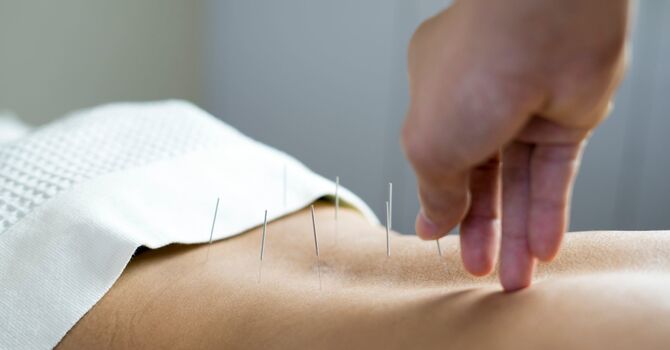
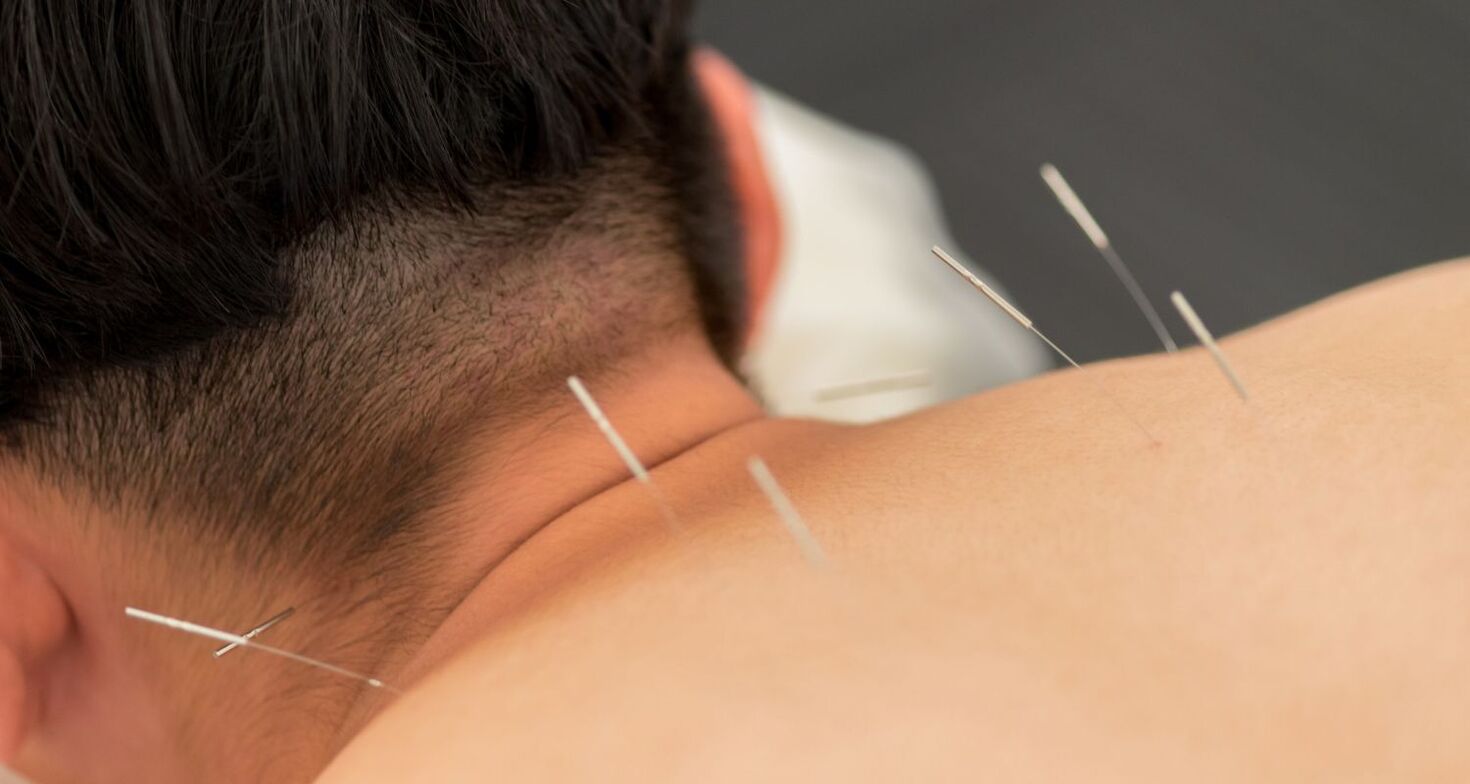
Thin, sterile needles are then placed at specific points on the body. Commonly used acupuncture points for anxiety and insomnia include points along the heart, pericardium, and kidney meridians, as well as ear acupuncture points for anxiety, which are known in TCM for their calming effect on the mind. Most patients feel a sense of deep relaxation during treatment, and many fall asleep on the table.
Sessions typically last 45 to 60 minutes. You might feel a noticeable shift after just one treatment, though most people see the best results with a consistent series of visits.
How Often Should You Get Acupuncture for Anxiety?
This is one of the most common questions that comes up. The honest answer depends on how long you've been dealing with anxiety and how your body responds to treatment.
For acute or situational anxiety, a short course of four to six sessions may be enough to reset the nervous system and give you tools to manage stress more effectively. For chronic anxiety, particularly when it's been present for years or is tied to deeper patterns, ongoing treatment over several months tends to produce more lasting change.
A general starting point for many patients is weekly sessions for the first four to six weeks, followed by biweekly or monthly maintenance as symptoms improve. Your practitioner will adjust the frequency based on how you're responding.
Acupuncture for Sleep and Anxiety
One of the most noticeable early changes people experience is improved sleep. Anxiety and insomnia are closely linked, and acupuncture addresses both at the same time. Patients often report that even after the first session, they sleep more deeply or find it easier to fall back asleep after waking in the night.
This matters because sleep is one of the most powerful regulators of emotional resilience. When you're rested, your nervous system is better equipped to handle stress without tipping into overwhelm.
Can Acupuncture Help With Both Anxiety and Depression?
Yes, and this is a question worth addressing directly. Anxiety and depression frequently occur together, and acupuncture for anxiety and depression is something that works well in practice. While the presentations are different, both involve dysregulation of the nervous system and imbalances in how the body manages stress hormones and mood chemistry.
Acupuncture doesn't treat anxiety and depression as isolated conditions. It looks at the whole person and works to restore balance throughout the system, which is why patients often notice improvements across multiple areas of their health simultaneously.
What You Can Do Between Sessions
Acupuncture works best as part of a broader approach to wellbeing. Between sessions, simple practices can help sustain the nervous system regulation that treatment initiates. Gentle movement, consistent sleep schedules, limiting caffeine, and spending time outdoors can all support the work that's happening during treatments.
Herbal medicine, which is integrated into the practice at Southside Acupuncture + Herbs, can also extend the benefits of acupuncture between sessions. Specific herbal formulas have been used in Chinese medicine for centuries to calm the mind, support the heart, and nourish the nervous system. Your practitioner can help determine whether herbal support makes sense for your situation.
Taking the First Step
If you've been living with anxiety and haven't found a solution that feels sustainable, acupuncture offers something genuinely different. It works with your body's own regulatory systems rather than overriding them, and the benefits tend to build over time.
Patients at Southside Acupuncture + Herbs in Chicago regularly share that they came in hoping for a little relief and left with a fundamentally different relationship to stress. That's the kind of change that's worth exploring.
If you're ready to experience what acupuncture for anxiety and stress can do, reach out to book a consultation and discuss what a treatment plan might look like for you.